
Key Staircase Dimensions Every Homeowner Should Know
Designing a bespoke staircase is not just about style—it also needs to meet U.S. building codes for safety and everyday comfort. Whether you are planning a floating staircase, central spine staircase, or a more traditional design, understanding the basics is essential.
Risers and Treads
The proportions of each step are one of the most important parts of staircase design. In most U.S. residential projects, stair dimensions are based on the International Residential Code (IRC):
- Maximum riser height: usually 7 ¾ inches
- Minimum tread depth: usually 10 inches
- Step sizes must be consistent throughout the staircase
These measurements help create a staircase that feels safe, comfortable, and easy to use.
Handrails and Gaps
Handrails and balustrades are also critical for code compliance. In general:
- Maximum gap between balusters: 4 inches
- Handrail height: typically 34–38 inches above the stair nosing
- Handrails should provide continuous support along the stair run
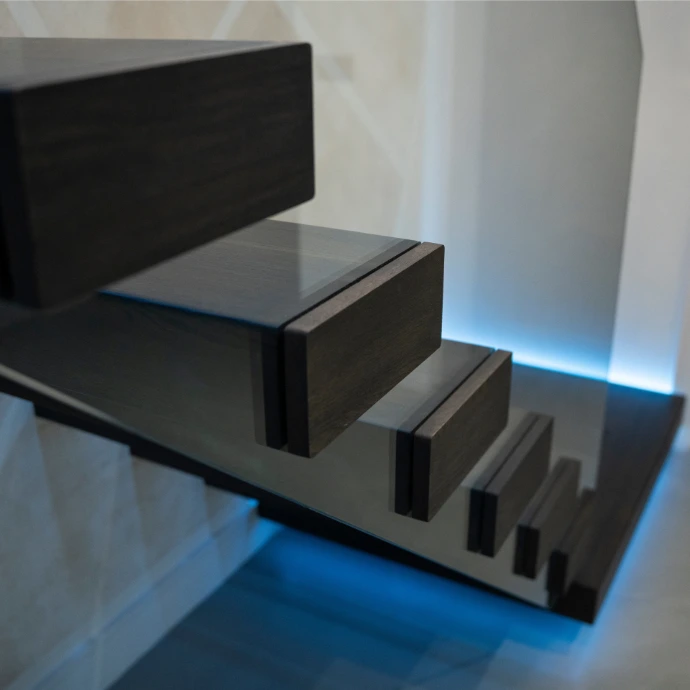
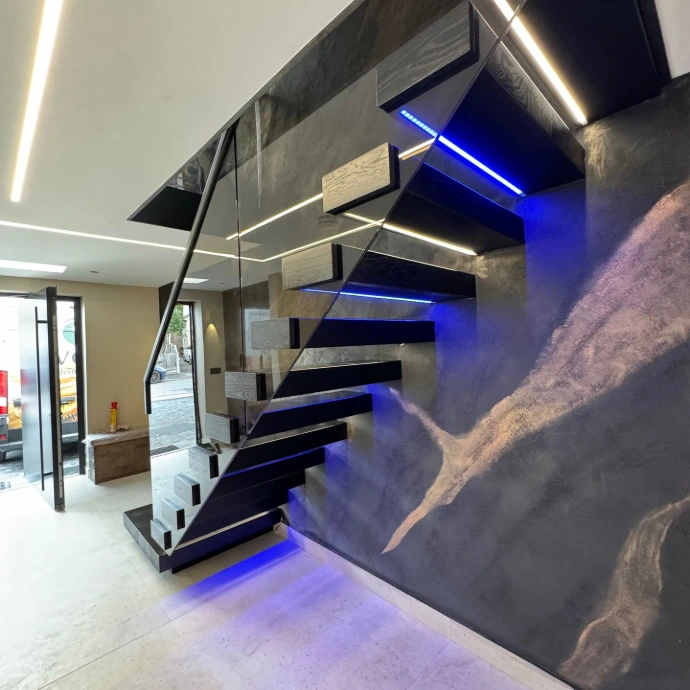
For many modern staircase designs, glass balustrades are a popular way to keep the space open while still meeting safety requirements.
Why It Matters
A staircase that does not meet code can lead to safety issues, failed inspections, and costly changes later on. That is why every custom staircase should be designed with both appearance and compliance in mind.
Final Thought
Good staircase design is about more than looks. Getting the risers, treads, and handrail gaps right ensures your staircase is safe, code-compliant, and built to last.



Understand staircase regulations with clarity using guidance from Celn’s expert team. For advice, pricing, or project support, email sales@celn.com or call +1 213 8570 108 / +1 213 840-9935.